
BLOG
Why Are Cuban Cigars Illegal? The Full U.S. Ban, Embargo History & Buying Guide
Table of Contents
If you have ever searched “why are Cuban cigars illegal”, “why are Cuban cigars illegal in the US”, or “why are Cuban cigar illegal in the United States,” you are asking one of the most famous questions in the cigar world. Cuban cigars have a near-mythical reputation. They are tied to old Havana glamour, political history, luxury, and the long-running U.S. embargo against Cuba. That combination makes them one of the few consumer products whose legality depends not just on age restrictions or tobacco law, but on international sanctions, trade rules, and decades of American foreign policy.
The short answer is this:
Featured Snippet Answer: Why Are Cuban Cigars Illegal?
Cuban cigars are illegal in the United States because of the U.S. embargo and sanctions on Cuba. The ban grew out of Cold War-era restrictions imposed after the Cuban Revolution and was formalized through the Cuban Assets Control Regulations (CACR) administered by the U.S. Treasury’s Office of Foreign Assets Control (OFAC). In practical terms, that means Cuban-origin cigars are generally barred from being imported into the United States, even if you bought them in another country, because they are considered Cuban-origin merchandise under U.S. sanctions rules.
That short answer is useful, but it leaves out the part cigar buyers actually care about:
- Why are Cuban cigars illegal in the US in the first place?
- Are Cuban cigar still illegal today, or did the rules change?
- Can Americans buy Cuban cigars abroad?
- Can you bring Cuban cigar back into the United States?
- Is it illegal to smoke a Cuban cigar in America if you somehow have one?
- Why are Cuban cigars so famous if Americans have been blocked from buying them for so long?
- Where can cigar buyers shop safely and legally if they want premium cigars online?
This guide answers all of that in one place. It is written for readers who want the history, the current legal reality, and the practical buying implications—without needing to read Treasury regulations line by line.
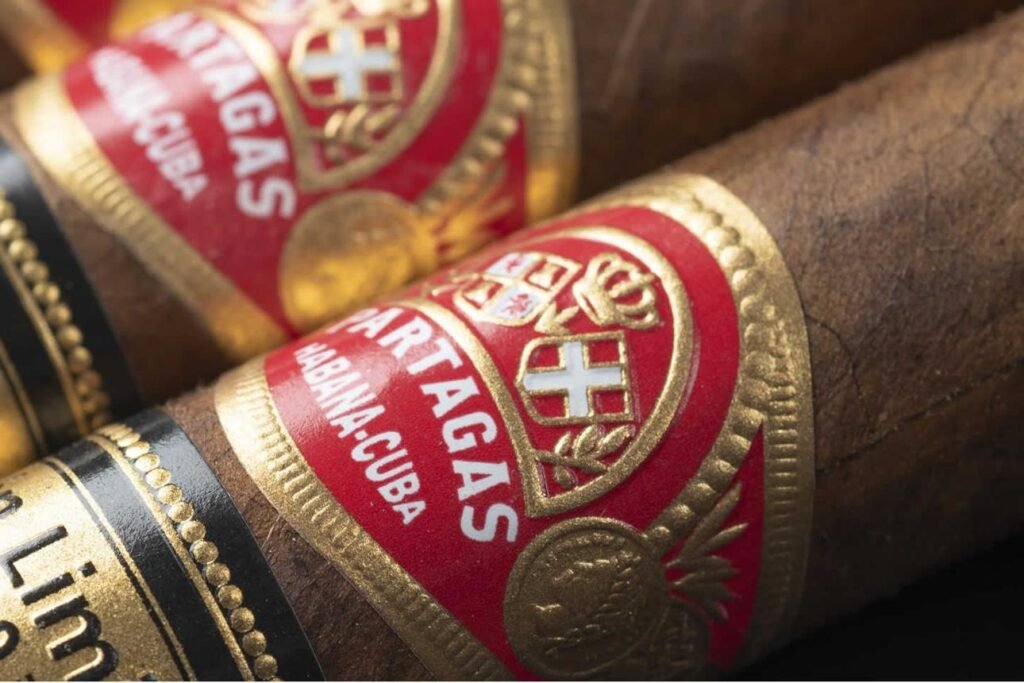
Why Are Cuban Cigars Illegal?
To understand why Cuban cigars are illegal, you need to understand one big fact: the ban is not mainly about tobacco. It is about U.S. policy toward Cuba.
Cuban cigars are tied to the U.S. embargo on Cuba
The reason Cuban cigars became illegal in the United States is that the U.S. government imposed a broad economic embargo on Cuba after Fidel Castro’s revolution and Cuba’s alignment with the Soviet Union. President John F. Kennedy expanded the embargo in the early 1960s, and the legal framework was later implemented through the Cuban Assets Control Regulations under the authority of the Trading With the Enemy Act. The point was to restrict trade and financial flows involving Cuba, not simply to regulate cigars as a tobacco product.
That distinction matters. Cuban cigars are not “illegal” in the same sense as counterfeit goods or contraband drugs. They are restricted because U.S. sanctions prohibit the importation and certain transactions involving Cuban-origin merchandise, including tobacco products like cigars. OFAC’s Cuba sanctions FAQs and CBP guidance both make that clear.
The simplest explanation
If you want the plain-English version, it’s this:
- The U.S. imposed sanctions and trade restrictions on Cuba.
- Cuban cigars are products of Cuba.
- U.S. sanctions law treats Cuban-origin cigars as restricted imports.
- So Americans generally cannot legally import Cuban cigars into the United States.
That is the foundation of the answer to why are Cuban cigars illegal in the US.
Why Are Cuban Cigars Illegal in the US?
The phrase “why are Cuban cigars illegal in the US” really means two separate questions:
- Why did the United States create the ban in the first place?
- What exactly is still illegal today?
Let’s take them one at a time.
1) Why the United States banned Cuban cigars
The ban is rooted in the Cuban Revolution, the nationalization of U.S.-linked property in Cuba, and the broader Cold War confrontation between the United States and the Castro government. The Kennedy administration expanded trade restrictions against Cuba in 1962, and the following year the Treasury Department issued the Cuban Assets Control Regulations, which became the backbone of Cuba sanctions enforcement.
The embargo was designed to restrict trade with Cuba and isolate the Cuban government economically. Cigars happened to be one of Cuba’s most iconic exports, so they became one of the most visible consumer products affected by the embargo.
2) What is still illegal now
Today, the key practical rule is this: Cuban-origin cigars generally cannot be imported into the United States. That includes bringing them back as baggage after travel abroad. OFAC states that U.S. persons may purchase Cuban-origin goods in a third country for personal consumption outside the United States, but travelers may not import Cuban-origin tobacco products into the United States. CBP’s 2026 guidance says the same in plain language.
So if you are asking why are Cuban cigars illegal in the United States, the most accurate modern answer is:
Because U.S. sanctions still restrict the importation of Cuban-origin tobacco products into the United States, even though Americans may be able to purchase or consume those products abroad under certain circumstances.
That is more precise than simply saying “they’re banned.”
Why Are Cuban Cigars Illegal in the United States? The Historical Timeline
A lot of pages answer this question with one sentence. That is not enough if you want to rank well and actually help readers. Here is the timeline that makes the whole story easier to understand.
Before the embargo: Cuban cigars were a luxury import
Before the 1960s, Cuban cigars were already prestigious in the United States. Havana was a major center of premium cigar production, and Cuban brands had strong cachet among wealthy smokers, celebrities, and politicians. The modern mystique around Cuban cigars didn’t start because they were banned. It started because they were already viewed as elite products before the ban.
1959: The Cuban Revolution changes everything
When Fidel Castro took power in 1959, relations between the United States and Cuba deteriorated quickly. Nationalization of private property, growing ties to the Soviet Union, and the wider Cold War conflict pushed Washington toward economic retaliation.
1962: Kennedy expands the embargo
In February 1962, President Kennedy proclaimed a broad embargo on trade with Cuba. The embargo was not a cigar-specific law. It was a trade and sanctions regime aimed at Cuba as a state. But because Cuban cigars were one of the most visible Cuban consumer exports, they became one of the best-known casualties of the policy.
1963: The Cuban Assets Control Regulations formalize the system
The next major step came with the Cuban Assets Control Regulations (CACR), issued under the authority of the Trading With the Enemy Act. These regulations gave the Treasury Department, through OFAC, the machinery to regulate transactions involving Cuba and Cuban-origin goods. That legal structure still matters today.
Decades of restrictions and small carve-outs
Over the decades, U.S. policy toward Cuba shifted in tone and enforcement, but the core sanctions framework stayed in place. At various points there were narrow travel exceptions, changes to what travelers could bring back, and adjustments to licensing. But the basic principle—that Cuban-origin goods were restricted under U.S. sanctions—remained.
2016–2017: A brief loosening of Cuban cigar rules
One of the most important modern twists is that the rules did briefly loosen. During the Obama-era opening to Cuba, U.S. travelers were allowed to bring back limited Cuban-origin alcohol and tobacco products for personal use. Cigar Aficionado covered those changes in 2016 and 2017.
This matters because many people still remember that period and assume it is still legal to bring back Cuban cigars.
2020: The rules tighten again
In September 2020, OFAC amended the CACR to once again restrict the importation of Cuban-origin alcohol and tobacco products into the United States. OFAC FAQ 719, FAQ 720, FAQ 769, and FAQ 837 all reflect the post-2020 rule: Americans may purchase Cuban-origin tobacco products while abroad for personal consumption outside the United States, but they may not bring them back into the United States as accompanied baggage for personal use.
That 2020 shift is the key reason there is still confusion online.
Are Cuban Cigars Still Illegal in America Today?
This is where the wording matters.
The accurate answer: they are still restricted from import into the United States
If a user asks, “Are Cuban cigar still illegal in America today?” the most useful answer is:
- Yes, Cuban-origin cigars are still generally prohibited from being imported into the United States.
- No, that does not mean an American can never touch or smoke a Cuban cigar anywhere in the world.
- The legal issue is mainly the U.S. importation and sanctions framework, not the act of physically smoking tobacco.
OFAC’s Cuba sanctions FAQ and CBP’s 2026 page are the clearest current sources for that distinction.
What U.S. travelers can and cannot do
What they generally can do
- Buy Cuban-origin cigars while in a country where they are lawfully sold
- Consume those cigars while abroad
What they generally cannot do
- Import those Cuban-origin cigars into the United States as personal baggage
- Order Cuban-origin cigars into the United States in violation of sanctions/import rules
That is the modern legal reality behind the phrase why are Cuban cigars illegal in the US.
Can You Legally Buy Cuban Cigars in the United States?
For readers with buying intent, this is often the most important section of the page.
The practical answer: importing Cuban cigars into the U.S. is the problem
If you are physically in the United States and you are asking, “Can I legally buy authentic Cuban cigars and have them shipped to me?”, the answer is not the same as shopping for Dominican, Nicaraguan, Honduran, or non-Cuban premium cigars.
The reason is simple: Cuban-origin cigars are subject to U.S. sanctions restrictions. The importation issue is the legal bottleneck. OFAC and CBP both focus on Cuban-origin goods entering the United States.
Why shoppers get confused
There are a few reasons buyers still get mixed signals:
1) Old articles are still online
Many older articles discuss the 2016–2017 period when rules were loosened and travelers could bring back limited quantities. Those articles are historically accurate but not current.
2) Retailers may be based outside the United States
Some cigar stores serve international customers in jurisdictions where Cuban cigars are legal to sell. That does not automatically mean a U.S.-based buyer can legally import those cigars into the United States.
3) Online forums mix legal advice with anecdote
Reddit threads and cigar forums often include statements like “people do it all the time,” or “customs won’t care.” That is not the same thing as legal authorization. Community discussion is useful for understanding how cigar smokers talk about the issue, but it is not a substitute for OFAC and CBP guidance.
Can You Bring Cuban Cigars Into the US From Another Country?
This is one of the most common sub-questions under the broader topic.
Current rule in plain English
If you are a person subject to U.S. jurisdiction, you generally may not bring Cuban-origin cigars into the United States, even if you purchased them in another country where they were legal to buy. OFAC FAQ 720 says Cuban-origin merchandise can be purchased in a third country for personal consumption outside the United States. CBP’s current guidance says Cuban-origin goods, including tobacco products, are not authorized to be brought into the United States under the relevant rules.
Example
Let’s say you travel to:
- Canada
- Mexico
- Spain
- the Dominican Republic
- Cuba itself
You buy authentic Cuban cigars there and enjoy them during the trip. That is one thing.
Trying to return to the United States with those Cuban cigars is another matter. That is where the sanctions/import restriction issue appears.
Why people still think this is allowed
Because for a short period, it was allowed under the Obama-era changes. Then OFAC tightened the rules again in 2020. A lot of consumer articles never updated their pages, and a lot of cigar smokers still repeat the older rule from memory.
Is It Illegal to Smoke a Cuban Cigar in the United States?
This is a surprisingly common question, and it deserves a careful answer.
The legal issue is not the act of smoking tobacco itself
The core sanctions issue is importation / acquisition / dealings in Cuban-origin merchandise, not the physical act of lighting a cigar. In other words, the most important legal barrier is how the cigar got into the United States, not whether a cigar smoker physically smokes it.
That said, if someone is asking for legal advice about a specific situation—ownership, importation, gifting, or business sales—they should look at the current OFAC/CBP rules and, if needed, get legal guidance. This article is a practical overview, not formal legal advice.
Best way to phrase it on a commercial page
For SEO and clarity, a safe phrasing is:
In the United States, the key legal issue around Cuban cigars is their importation and treatment as Cuban-origin goods under sanctions law, rather than the act of smoking a cigar by itself.
That keeps the page accurate without drifting into overconfident legal claims.
What Law Made Cuban Cigars Illegal?
If you want to rank for educational intent, you need a clean legal section. The main pieces are:
1) The U.S. embargo on Cuba
The embargo is the political and economic framework that drove the restriction of Cuban goods.
2) The Trading With the Enemy Act
This provided part of the legal authority used to build and enforce sanctions structures affecting Cuba.
3) The Cuban Assets Control Regulations (CACR)
These regulations, administered by OFAC, are the practical rulebook that governs many Cuba-related transactions and restrictions.
4) OFAC and CBP enforcement guidance
For everyday consumers, OFAC FAQs and CBP guidance are the most useful operational explanations of what travelers and importers can or cannot do with Cuban-origin cigars.
Why Are Cuban Cigars So Famous If They’re Illegal?
This is where the topic gets interesting from a commercial and cultural perspective. The reason people keep searching why are Cuban cigars illegal is not just because of the law. It’s because Cuban cigars occupy a strange position: they are both a luxury product and a political symbol.
1) Scarcity creates mystique
Anything that is restricted becomes more desirable. Decades of American smokers hearing “you can’t have these” helped turn Cuban cigars into an object of fascination.
2) Cuba has real cigar heritage
The mystique is not purely political. Cuba has a long tobacco tradition, especially in regions like Vuelta Abajo, and iconic brands such as Cohiba, Montecristo, Partagás, Bolívar, Romeo y Julieta, H. Upmann, and others built global reputations long before the internet age.
3) Cuban cigars became a status symbol
For American buyers, Cuban cigars became shorthand for exclusivity, old-world luxury, and access to something forbidden. That “forbidden luxury” image is one reason the topic keeps performing in search.
4) They are constantly discussed online
Cigar forums and Reddit threads repeatedly ask whether Cuban cigars are worth it, whether they are better than Nicaraguan cigars, whether they can be brought into the U.S., and whether the rules changed again. Community chatter keeps the myth alive.
Are Cuban Cigars Actually Better Than Non-Cuban Cigars?
A strong commercial article should answer this, because many readers who search why are Cuban cigars illegal are really trying to decide whether Cuban cigars are worth the trouble.
The honest answer: not automatically
Cuban cigars are not automatically “better” than every non-Cuban cigar. They are different.
Why smokers love Cuban cigars
- Distinctive Cuban tobacco profile
- Historic brand prestige
- Aging potential and collector appeal
- Strong association with old-school luxury
Why some smokers prefer non-Cuban cigars
- Greater consistency from some factories
- Easier legal access in the U.S.
- Wider range of body and flavor profiles
- Often better value in premium Nicaraguan or Dominican cigars
This is one reason the best commercial version of a page like this does not only answer the legality question. It also positions your site as a place where readers can continue exploring premium cigar education and authentic cigar buying guidance.
Why Cuban Cigars Are Illegal vs. Why They Feel “Available” Online
One thing readers notice is that Cuban cigars seem to be “everywhere” online. So why does the ban still feel confusing?
Reason 1: International cigar retail exists outside U.S. rules
A store based outside the United States may legally sell Cuban cigars in its own jurisdiction. That does not mean U.S. sanctions disappear for an American customer importing them into the U.S.
Reason 2: The internet collapses borders
A reader in London, Madrid, Dubai, Toronto, or Hong Kong may be able to order Cuban cigars under local law. A reader in the U.S. is dealing with a different legal framework.
Reason 3: Search results mix old and new information
Some pages still discuss the Obama-era period. Others discuss current post-2020 rules. Unless the article cites current OFAC/CBP guidance, readers are left guessing.
Commercial Buying Guide: What Should a Cigar Buyer Do With This Information?
This is the section that turns an informational article into a useful commercial landing page.
If you are in the United States
The first question is not “Which Cuban cigar should I buy?” It is “What is currently permitted under U.S. law?” For U.S.-based readers, the most important takeaway is that Cuban-origin cigars remain heavily restricted from import into the United States under the sanctions framework discussed above.
If you are outside the United States
The legal analysis can be very different. Many countries permit the sale of authentic Cuban cigars, and that is why international retailers can legitimately serve buyers in certain markets.
If you want to browse premium cigars online
A useful next step is to buy from a specialist cigar retailer that:
- clearly explains what it sells
- distinguishes Cuban and non-Cuban inventory
- publishes educational content
- helps buyers understand authenticity, storage, and brand differences
- is transparent about where it ships and under what conditions
That is exactly where a site like Authentic Cuban Cigars can fit into the buyer journey.
Why This Topic Matters for Authentic Cuban Cigars
For a website like Authentic Cuban Cigars, the keyword “why are Cuban cigars illegal” is not just a legal FAQ. It is a high-intent education page.
A reader who lands on this topic is often one of three people:
1) The curious beginner
They have heard that Cuban cigars are legendary and want to know whether the story is real.
2) The buyer researching legality
They want to know whether they can order Cuban cigars, travel with them, or bring them into the United States.
3) The enthusiast comparing Cuban vs non-Cuban cigars
They are trying to decide whether Cuban cigars are worth pursuing at all.
A well-optimized page should speak to all three.
Reddit / Forum Promotional Content
Reddit Post Version 1
Title: Why are Cuban cigars illegal in the US if they’re sold everywhere else?
A lot of people mix up two different questions: whether Cuban cigars are “good” and whether they’re legal to bring into the United States. The current issue is mostly a Cuba sanctions / import rule problem, not a simple tobacco law issue. You can still legally buy and smoke Cuban cigars in many countries, but U.S. rules on importing Cuban-origin cigars are where the restriction kicks in.
I ended up reading OFAC and CBP guidance because older articles were all over the place. If you want a plain-English breakdown, look for a guide that explains the embargo history + the 2020 rule change + what travelers can actually do now.
Reddit Post Version 2
Title: Why Cuban cigars are illegal in America — short version
Short version:
- It’s because of the U.S. embargo and Cuba sanctions
- Cuban cigars are treated as Cuban-origin goods
- Americans can still buy them abroad in some cases for use outside the U.S.
- Bringing them into the U.S. is the part that generally gets blocked under current rules
Also, not every article online is current. A lot of them are still quoting the Obama-era rules when travelers could bring back limited Cuban cigars. That changed again in 2020.
Forum Promo Snippet for Authentic Cuban Cigars
If you’re trying to understand why Cuban cigars are illegal in the United States and whether the rules changed again, it helps to read one page that covers the history, current OFAC/CBP guidance, travel rules, and the real buying implications. That’s the goal of this guide from Authentic Cuban Cigars—not just repeating “they’re banned,” but explaining why, since when, and what that means for cigar buyers today.
FAQ Schema Content
FAQ: Why are Cuban cigars illegal?
Cuban cigars are illegal to import into the United States because they are Cuban-origin goods covered by U.S. sanctions and embargo rules against Cuba. The modern framework is enforced through the Cuban Assets Control Regulations administered by OFAC.
FAQ: Why are Cuban cigars illegal in the US?
They are restricted because of the U.S. embargo on Cuba and the rules governing Cuban-origin merchandise. The issue is not simply tobacco law; it is U.S. sanctions policy.
FAQ: Why are Cuban cigars illegal in the United States?
The United States imposed sanctions and trade restrictions on Cuba after the Cuban Revolution and the Cold War confrontation that followed. Cuban cigars, as Cuban-origin goods, became part of that trade ban.
FAQ: Are Cuban cigars still illegal in America?
Cuban-origin cigars are still generally prohibited from being imported into the United States under current sanctions rules. Americans may be able to purchase them abroad for consumption abroad, but bringing them into the U.S. is a separate issue.
FAQ: Can Americans bring Cuban cigars back from another country?
Under current OFAC and CBP guidance, Cuban-origin cigars generally may not be imported into the United States as accompanied baggage, even if purchased legally in another country.
FAQ: Can I smoke a Cuban cigar in the United States?
The central legal issue is importation and dealings in Cuban-origin goods, not the act of smoking tobacco by itself. Anyone with a specific legal question should check current OFAC/CBP rules or seek legal advice.
FAQ: Why are Cuban cigars so famous?
They are famous because of Cuba’s tobacco history, iconic brands, long-standing luxury reputation, and the added mystique created by decades of U.S. restrictions.
FAQ: Are Cuban cigars better than non-Cuban cigars?
Not automatically. Many smokers love Cuban cigars for their flavor profile and heritage, while others prefer non-Cuban cigars for consistency, variety, or value.
FAQ: What law made Cuban cigars illegal?
The broader answer involves the U.S. embargo on Cuba, the Trading With the Enemy Act framework, and especially the Cuban Assets Control Regulations administered by OFAC.
FAQ: Where can I learn more about authentic Cuban cigars?
You can browse educational cigar content and premium cigar guides at Authentic Cuban Cigars.
Internal Linking Ideas for Authentic Cuban Cigars
To help this page rank and convert, add internal links from this article to pages such as:
- Best Cohiba Cigar
- Montecristo Cigars Guide
- Partagás Lusitanias
- Romeo y Julieta Cigars
- What Is a Humidor?
- Cigar Wrapper Types
- Robusto vs Toro
- How Many Cigars in a Box?
- Quai d’Orsay Cigars Guide
This turns the page from a one-off legal explainer into a gateway page for premium cigar education.
Suggested Call-to-Action Section
Explore Premium Cigar Education at Authentic Cuban Cigars
If you’ve been wondering why Cuban cigars are illegal in the US, the next step is usually the same: understanding the brands, the differences between Cuban and non-Cuban cigars, and how to buy premium cigars intelligently. At Authentic Cuban Cigars, readers can explore in-depth guides on Cohiba, Montecristo, Romeo y Julieta, Partagás, cigar sizing, humidors, wrappers, and more.
Visit: https://authenticcubancigars.online/
Final Verdict: Why Are Cuban Cigars Illegal?
Here’s the cleanest way to sum it up:
Cuban cigars are illegal to import into the United States because of the U.S. embargo and sanctions on Cuba, not because cigars themselves are uniquely prohibited products. The ban is rooted in Cold War-era policy, was formalized through the Cuban Assets Control Regulations, and still affects Cuban-origin tobacco products today. Americans may legally encounter Cuban cigars abroad, and older articles may mention periods when travelers could bring them back, but current OFAC and CBP guidance makes clear that bringing Cuban-origin cigars into the United States is generally not authorized under the current sanctions framework.
So if someone asks why are Cuban cigars illegal in the United States, the answer is not “because the government hates cigars.” It is because Cuban cigars are caught inside a much larger sanctions and trade regime that has shaped U.S.–Cuba relations for more than sixty years.
That is the history. That is the law in practical terms. And that is why this topic remains one of the most searched questions in the cigar world.
References you can use for the page
- OFAC Cuba sanctions overview — Treasury’s Cuba sanctions page and FAQs explain the current sanctions framework and the rules for Cuban-origin goods.
- OFAC FAQ 719 / 720 / 769 / 837 — These are the clearest sources for the modern traveler rule: Americans may buy Cuban-origin tobacco abroad for use abroad, but current rules do not authorize bringing Cuban-origin tobacco products into the United States.
- CBP guidance (updated Feb. 27, 2026) — U.S. Customs and Border Protection’s help page is useful because it states the baggage/import rule in consumer-friendly language.
- U.S. State Department Cuba sanctions page — Useful for a concise explanation of the embargo’s origin and policy context.
- National Security Archive overview of the embargo — Helpful for the historical timeline around Kennedy, the embargo, and the CACR.
- Cigar Aficionado coverage — Useful for explaining the temporary Obama-era loosening and why so many older articles still confuse readers.
- Reddit / community discussion — Good for a “what cigar smokers are asking” section, but not as a primary legal source.
